An olive grove on a frontier that has finally been still.
Small, slow retreats in the groves below a walled medieval town — meditation, yoga, pranayama, and an olive oil ceremony built around two thousand years of border history.
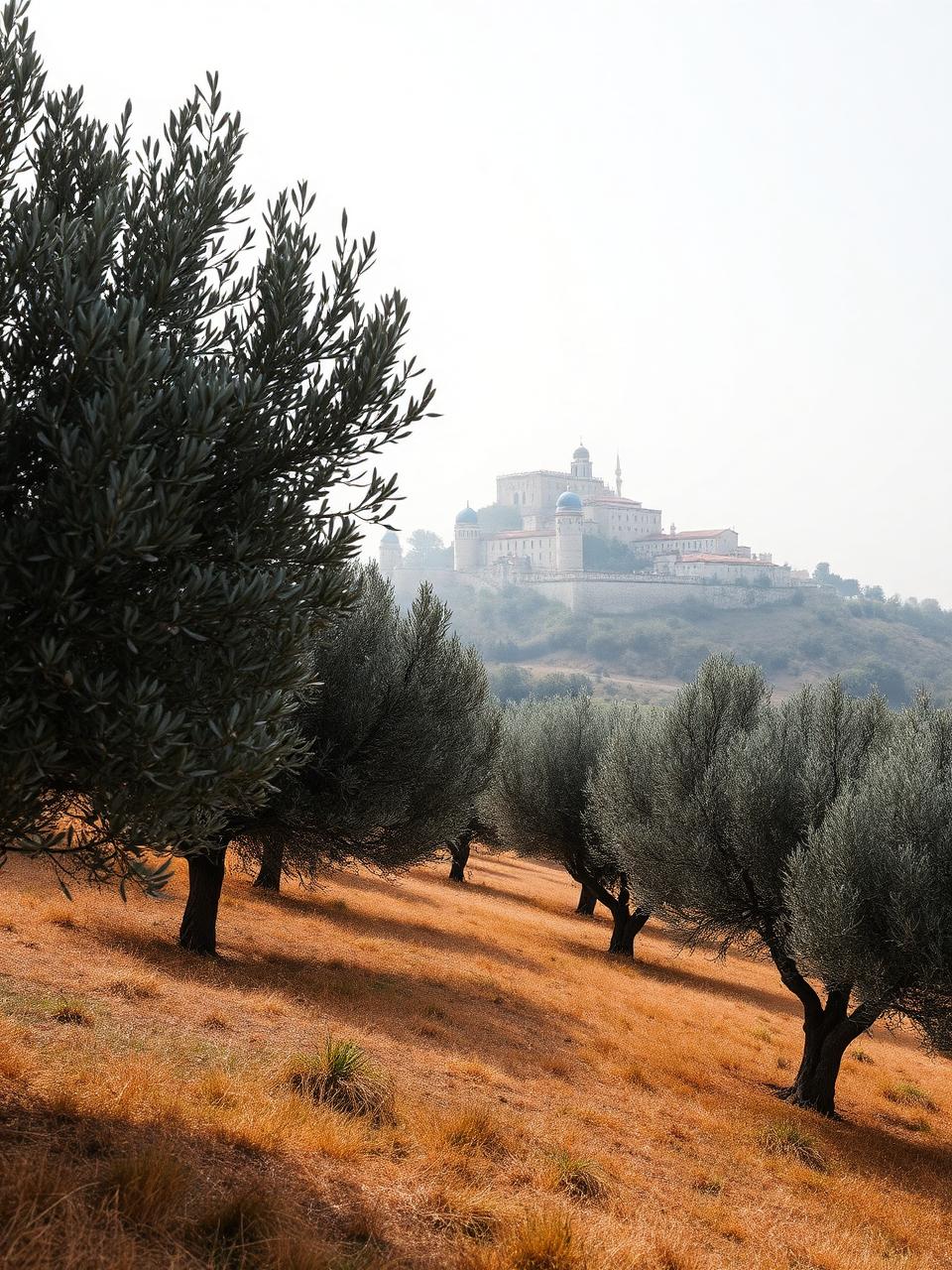 Placeholder photo
Castelo de Vide stands on a hill that has changed hands more times than its walls would suggest. The olive trees below it have outlasted every one of those changes — Roman, Visigothic, Arab, Christian — and have, all the while, carried the same second meaning across every regime that occupied this valley: peace, endurance, a pause in hostility.
Borderland Olive is built around the simplest consequence of that fact: that the most honest way to encounter this landscape's history is not to read about it, but to sit inside the part of it that never stopped growing.
Field noteOne-sentence first-person opening for the home page — the line you want a stranger to read first. Optional; can also be left to the Alma page.The Olive Tree of the Border
Why an olive grove on a frontier becomes a place to be still — the page that explains why any of this exists.
The Two-Day Border Retreat
Accommodation at one of two houses, pranayama among the trees, a lagar visit, and a welcome dinner — the fullest version of what the grove offers.
Held among the trees, in small groups
Guided Meditation
An hour of stillness in a grove that has never been neutral ground.
Yoga in the Olive Grove
Slow practice under trees that have never been in a hurry.
Pranayama
Breathwork beside a canopy that is already, visibly, breathing.
The Olive Oil Ceremony
A ritual older than any religion practiced on this border.
Lagar Visit & Tasting
Seeing where the stillness turns into oil.